 Skip to content

How to Dress for Ski Touring: Layering Guide
Ski Touring 101 / Gear guide
CRIPPLE CREEK BIKE AND BACKCOUNTRY
Sweat less. Enjoy more turns.
Stay drier on the climb and warmer at the transition.
Get the quick answerExplore the guide
The short answer
Wear breathable layers you can vent on the ascent, and carry a warm insulating layer for breaks and the descent. The goal is to prevent excessive sweat while maintaining enough protection for changing winter weather.
- Choose merino or synthetic next-to-skin layers; avoid cotton.
- Use an adjustable fleece and uninsulated shell as conditions require.
- Pack dry insulation, gloves and emergency layers.
By the Cripple Creek Bike and Backcountry ski touring team • Updated November 2026
Your ski touring layering formula
The key to dressing for ski touring is managing sweat. Dress lighter than you think for the climb, so you stay warm without getting wet, and carry warm layers in your pack for transitions and the descent. A reliable ski touring layering system looks like this:
- Base layer: merino or synthetic, never cotton
- Mid layer: a thin, breathable fleece or grid-fleece hoodie
- Outer layer: uninsulated, breathable shell pants and jacket with zippered vents
- In the pack: a puffy jacket, warm gloves or mittens, a dry hat, and an emergency blanket
Why Layering Matters for Ski Touring
On many touring days, the ascent is most of the day. That's hard work, and hard work means heat and sweat. The problem is what happens next: you top out on a windy ridge, stop to transition, and that sweat starts to freeze. Overheating on the way up is the number one reason skiers end up cold on the way down.
The good news is that technical clothing has come a long way. With the right layers and a little planning, you can stay comfortable from the trailhead to the summit and back to the car. Below is how our staff dresses for the skin track.
A Few Things to Know First
Skip cotton. Cotton absorbs sweat, dries slowly, and leaves you cold and clammy. Every layer you tour in should be merino wool or a fast-drying synthetic.
Uninsulated is the keyword for touring. Resort gear is built for standing in lift lines and riding chairs. Touring gear is built for constant movement. If you're skinning in insulated pants and a puffy, you're going to sweat.
Start cold. Begin slightly cool but comfortable, and adjust layers before you overheat. You'll warm up within the first ten minutes of climbing.
Vent before you sweat. Open pit zips, pull off your hat, or take off a layer as soon as you start to warm up. Staying ahead of sweat is much easier than drying out later.
Step 1: Choose a Sweat-Wicking Base Layer
Your base layer is the most important piece of your system. Its job is to move moisture away from your skin while holding in heat. In short, you want to be warm without getting wet.
Merino wool and synthetic blends both work well. Merino stays warm when damp and resists odor on multi-day trips. Synthetics dry faster and are typically more durable. Choose short- or long-sleeve tops and full-length or ¾-length bottoms depending on conditions. ¾-length bottoms are a staff favorite because there's no excess fabric to bunch up inside your ski boots.
Step 2: Add a Breathable Mid Layer and Shell
Before you head out, ask yourself a few questions. What is the weather doing? Is it cold, hot, snowing, or raining at the trailhead? Will it start cold and warm up as the sun comes out? Your answers determine how many layers you wear and how many you carry.
Many people start touring in their resort gear: insulated pants and jacket, a couple of base layers, and a thick hat. Just like with boots, bindings, and skis, your clothing should get lighter as you get into touring. Being overdressed makes every step harder.
Mid layer: A thin, breathable fleece or grid-fleece hoodie adds warmth without trapping sweat. It's also the layer you'll most often take on and off throughout the day.
Outer layer: Your shell pants and jacket should be uninsulated and breathable. Waterproof-breathable fabrics like GORE-TEX, FUTURELIGHT, NeoShell, and BD.dry block wind and moisture while letting excess heat escape. Look for zippered vents, a helmet-compatible hood, and pants that fit over your touring boots.
How to Dress for Uphill Resort Skiing
Uphilling at the resort is a great workout, and it calls for a lighter setup than a full backcountry day. Start with fewer layers and carry warmer pieces in your pack.
- Pants: Low-profile, uninsulated hard-shell or soft-shell pants with zippered vents that fit over your touring boots and let you switch between walk and ski mode easily. We wear soft-shell pants like the Dynafit PDG.
- Upper body: A breathable, ventable wind shell over your base layer.
- Hands and head: Thin gloves (windproof if it's cold), a light hat, and a neck gaiter.
Aim for enough ventilation to keep sweat to a minimum, though some sweat is unavoidable when you're pushing hard. On cold days, pull up your neck gaiter and jacket hood, and pack a dry hat for the descent.
If you're doing one lap up and down, it's OK to sweat on the climb as long as you have dry layers for the ski down. Throw a puffy under your wind shell and switch to insulated gloves at the top. At the top, add insulation promptly so you're warm for the descent; never count on the car or lodge being close if plans change.
How to Dress for Backcountry Ski Touring
A backcountry day requires a bigger pack and more planning. The extra layers you carry aren't just for comfort. They can save your life if the weather changes or your day runs longer than planned.
Backcountry touring is usually more relaxed than a resort workout. Keep your pace steady enough that you're not soaked in sweat when you reach a windy ridgeline. Your future self will thank you at the transition.
Other Considerations
Warm Feet = Happy Skier
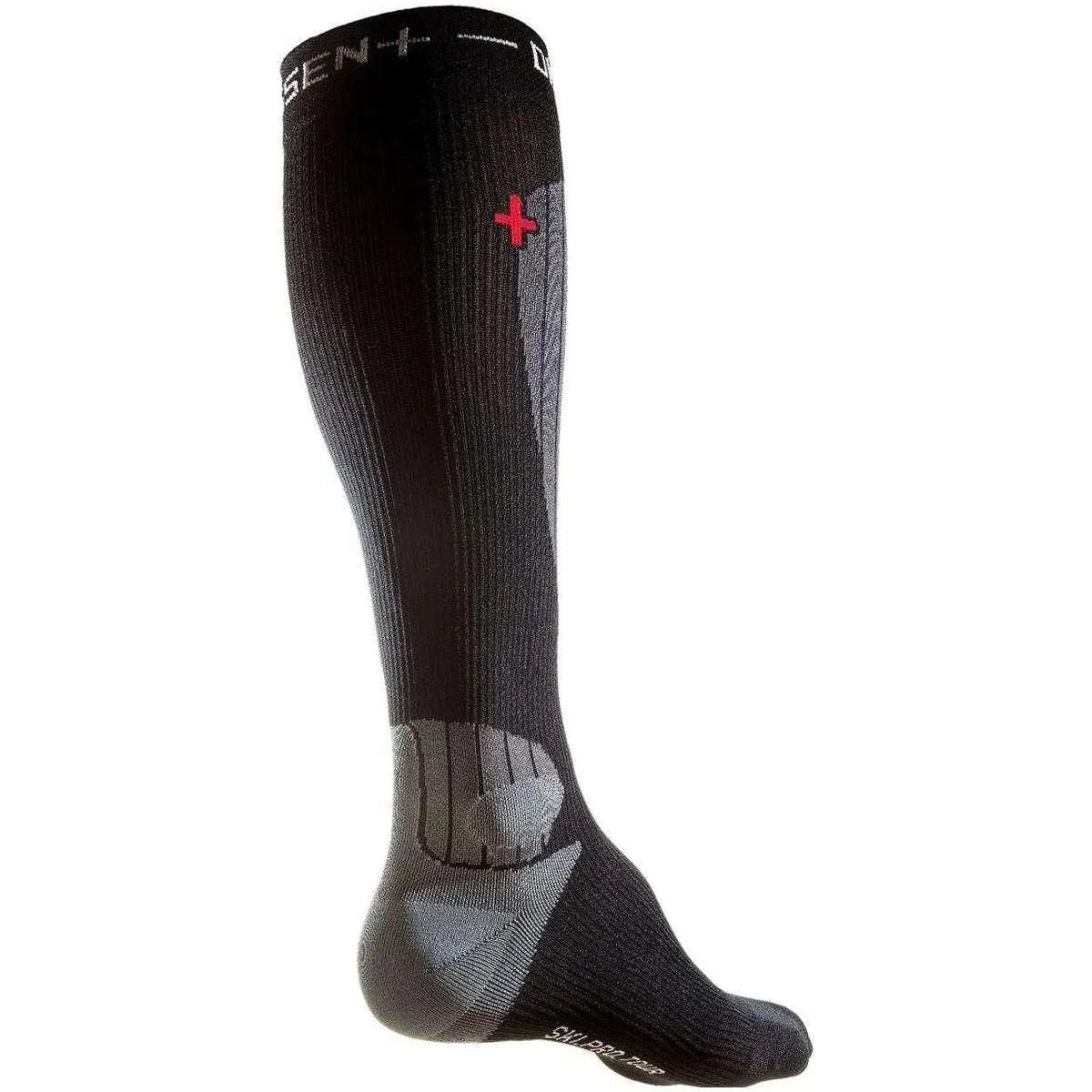
Wear thin, sweat-wicking ski socks. Thick socks don't keep your feet warm in ski boots. They add pressure, cut off circulation, and make your feet colder. Your boot liner is the insulation. If your feet are always cold, an experienced bootfitter can help dial in your boots. Heated footbeds and heated socks are also good options. Always carry an extra pair of socks in your touring pack.
Get Buffed
A neck gaiter, or "buff," is a simple tube of fabric that you wear around your neck like a turtleneck. It's one of the most versatile pieces you can bring. Pull it up over a ball cap in the wind, use it for sun protection, or add warmth on a cold morning. It retains a surprising amount of heat, and you can take it off and stuff it in a pocket without taking off your pack.
Should You Wear a Helmet for Ski Touring?
Helmets are now the norm for lift-served skiing, and they're required for skimo racing, so check the current event rules and required helmet certifications. In the backcountry, a helmet protects you from falls, rockfall, tree branches, and falling ice, and gives you a place to mount a camera.
Some skiers tour in climbing helmets because they're ultralight. Keep in mind that climbing helmets may not provide enough protection in a high-speed fall. If you're mostly worried about rockfall and branches, a climbing helmet may be your best option, especially if the alternative is leaving a heavy ski helmet at home. Choose a helmet appropriate for your skiing and objectives, and check its safety certification.
Example: A Midwinter Backcountry Layering List
Base layer
- Merino ¾-length leggings
- Merino T-shirt
- Merino long-sleeve shirt
- Merino ultralight ski socks
Mid layer
- Thin hooded fleece zip-up
- Ultralight neck gaiter
- Thin gloves for moderate weather, or midweight windproof gloves for cold days
Outer layer
- Technical shell pants with zippered vents
- Technical shell jacket with a helmet-compatible hood and zippered vents
In the pack
- Puffy jacket
- Warm insulated gloves or mittens
- Small packable vest for extra insulation
- Emergency space blanket
On very cold days, you may end up wearing everything in your pack, and that's fine. It's better to have it and not need it than the other way around (within reason).
Frequently Asked Questions
What should I wear ski touring?
Wear a merino or synthetic base layer, a thin breathable mid layer, and uninsulated shell pants and jacket. Carry a puffy jacket, warm gloves, and a dry hat for transitions and the descent.
Should I wear a puffy jacket while skinning?
Usually not. Most skiers overheat skinning in a puffy. Keep it in your pack and put it on at transitions, on the summit, or for the descent.
Is merino or synthetic better for ski touring?
Both work. Merino stays warm when damp and resists odor, while synthetics dry faster and are usually more durable. Avoid cotton.
Do thick socks keep your feet warmer in ski boots?
No. Thick socks add pressure and reduce circulation, which makes your feet colder. Wear thin, wicking ski socks and have a bootfitter check your fit if your feet are always cold.
How many layers should I bring ski touring?
Bring one more layer than you think you'll need. Weather changes fast in the mountains, and an injury or delay can keep you out much longer than planned.
Final Thoughts
Layering is personal. One skier will tour in a fleece under a shell while another wears just a merino tee. Experiment and find what works for you, and always pack one more layer than you think you'll need.
As your ski touring skills grow, technical gear will help you make your days in the backcountry longer and more enjoyable, whatever the weather. Stop by the shop and our staff will help you build a layering system for the way you tour.
SHOP SKI TOURING APPAREL
Keep learning
Your next step on the skin track
Personalized gear advice
Let's get your setup right.
Talk through your goals with the Cripple Creek Bike and Backcountry team, or browse gear that fits this guide.
Shop ski touring clothingBook a gear appointmentPart of our Beginner's Ski Touring Guide. Guides are general education; product fit, compatibility, conditions and current manufacturer instructions should always be checked for your specific setup.
Build Your Dream Ski Setup
Tell us how you ski, where you ski, and what you want out of your next setup. Our experts will help you build the right combination of skis, bindings, boots, and skins for you—not just what happens to be on the wall.
Once we have your setup dialed, we take care of the rest. We’ll make sure everything works together, mount your bindings specifically to you and your boots, trim your skins, and get the entire setup ready for the mountains.
Your perfect setup starts with expert knowledge and service. When you pick it up, it’s not a box of gear—it’s your complete ski setup, fully mounted, dialed, and ready to go.